
The Biology of Summer Energy
In Traditional Chinese Medicine, summer corresponds to the Fire element, the heart, and peak yang energy—warmth, expansion, activity, and connection. Modern physiology reveals several tangible mechanisms behind this seasonal surge:
- Sunlight and Vitamin D Synthesis: Sensible exposure to natural sunlight supports cutaneous vitamin D synthesis, which plays a foundational role in bone mineralization, immune modulation, mood regulation, and muscle function.
- Circadian Optimization: Bright morning and daytime light strengthens the master circadian clock in the hypothalamus, promoting robust daytime alertness and clear diurnal hormone rhythms.
- Enhanced Circulation: Warmer ambient temperatures promote peripheral vasodilation, increasing blood flow to skin, muscles, and extremities, which supports nutrient delivery and tissue recovery.
- Natural Activity Increase: Longer daylight hours naturally invite more outdoor movement, social engagement, and physical exploration.
- Growth Hormone Dynamics: Studies in the National Institutes of Health database show that growth hormone secretion patterns are influenced by both circadian rhythms and seasonal light exposure, aligning summer's clear light-dark rhythm with healthy neuroendocrine signaling.
In classical seasonal medicine, summer's Fire element reaches its peak at the June solstice, yet wise practitioners begin tending the cooling reservoirs of Yin that very afternoon—knowing that unbridled output without shaded rest scorches the terrain before autumn arrives.
Summer Peptides for Vitality and Performance: Research Context
In the scientific literature, several investigational peptides are studied for their interactions with growth hormone signaling, cellular energy metabolism, and exercise adaptation. Below is an educational overview of their studied mechanisms and regulatory status, presented without protocol or stacking prescriptions:
Ipamorelin: Gentle Growth Hormone Support
Ipamorelin is a selective growth hormone secretagogue studied for stimulating the body's natural production of growth hormone without significantly affecting cortisol or prolactin levels. It acts by binding to ghrelin receptors in the pituitary gland, triggering pulsatile release of endogenous growth hormone.
In research literature, pulsatile growth hormone signaling is examined for its relationship to lean muscle development, connective tissue recovery, and deep sleep architecture. Ipamorelin is not FDA-approved for clinical use.
CJC-1295: Sustained Endocrine Signaling
CJC-1295 is a synthetic growth hormone-releasing hormone (GHRH) analog studied for its extended half-life and capacity to support sustained growth hormone signaling over several days in pharmacokinetic studies.
Research discusses sustained growth hormone signaling, fat oxidation, protein synthesis, and glucose metabolism. CJC-1295 is not an FDA-approved medication.
MOTS-c: The Mitochondrial Messenger
MOTS-c is a mitochondrial-derived peptide encoded within mitochondrial DNA that plays an important role in regulating cellular energy production and metabolic homeostasis, including metabolic flexibility across varying activity demands.
Studies published in Cell Metabolism have shown that MOTS-c enhances glucose metabolism, improves insulin sensitivity, and promotes mitochondrial biogenesis—the creation of new mitochondria within cells. Exogenous MOTS-c remains an unapproved investigational compound.
Summer Nutrition: Hydration and Lightness
High temperatures and increased physical activity shift our nutritional priorities toward cellular hydration, electrolyte replenishment, and antioxidant protection against UV and exercise-induced oxidative stress:
- Structured Hydration: Plain water alone is not enough when you are sweating regularly. Replenish electrolytes with unrefined sea salt, fresh coconut water, mineral-rich herbal infusions (hibiscus, peppermint, nettle), and water-dense produce.
- Summer Produce Abundance: Cucumbers, watermelon, tomatoes, zucchini, bell peppers, and leafy greens provide structured cellular water alongside lycopene, vitamin C, and potassium.
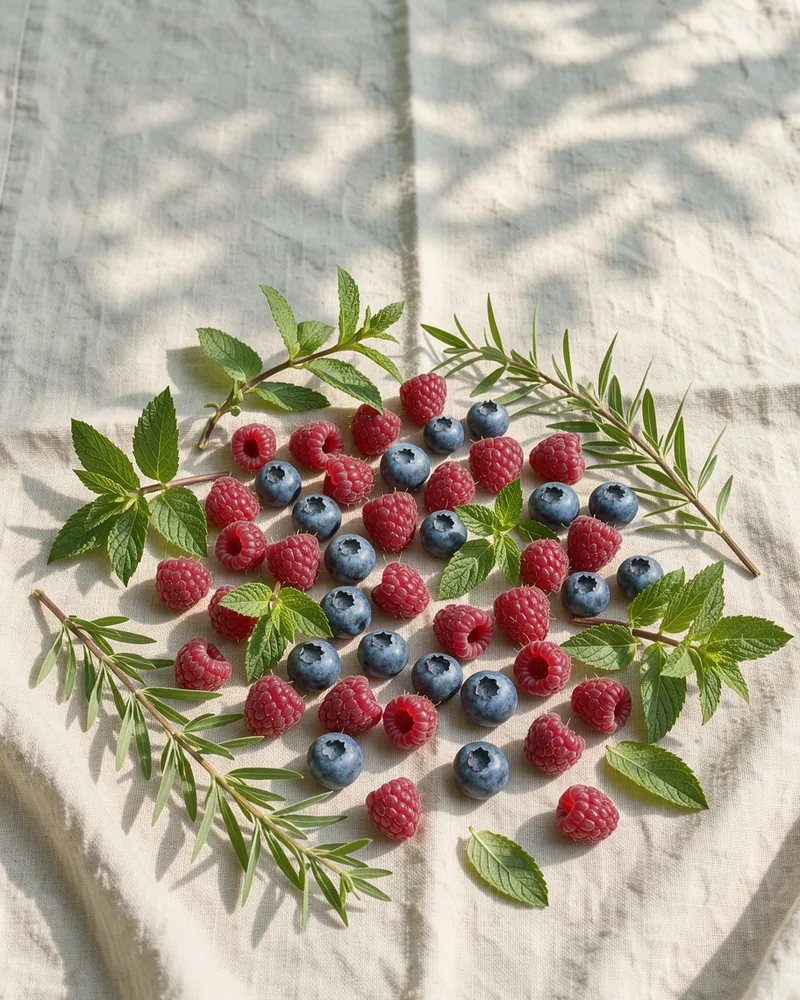
- Berries and Polyphenols: Wild blueberries, blackberries, raspberries, cherries, and strawberries are at their peak in summer. Research in the Journal of Nutritional Biochemistry demonstrates that berry consumption enhances cellular energy metabolism and supports healthy inflammatory responses.
- Light, Clean Proteins: Wild-caught fish, pasture-raised poultry, eggs, hemp seeds, and legumes provide the essential amino acids required for tissue repair without weighing down digestion in the heat.
- Cooling Herbs and Spices: Fresh mint, cilantro, basil, fennel, cardamom, and coriander calm digestive heat and offer gentle anti-inflammatory benefits.
- Healthy Fats for Hormone Production: Extra-virgin olive oil, avocados, walnuts, and wild salmon supply anti-inflammatory fats that protect cell membranes and support steroid hormone synthesis.
See our complete nutritional guide in Peptides & Nutrition.
Movement as Medicine in Summer
Physical movement is one of the most powerful natural stimulators of endogenous peptide and hormone signaling. In summer, aligning your exercise habits with the daily solar curve maximizes vitality while preventing heat exhaustion:
- Morning Movement: Schedule vigorous workouts, runs, or hikes in the cooler morning hours. Morning outdoor exercise combines physical exertion with early daylight exposure, reinforcing circadian alignment.
- Strength Training: Resistance training provides a natural stimulus for muscle growth, bone density support, and metabolic health when paired with progressive recovery.
- Cardiovascular Conditioning: Swimming, cycling, hiking, and trail walking build mitochondrial density and endurance. Research in Sports Medicine demonstrates that regular moderate-intensity activity provides profound benefits for cellular energy metabolism and overall vitality.
- Playful Movement: Not all movement needs to be structured training. Gardening, dancing, beach walks, and outdoor games lower cortisol while keeping the body agile.
- Active Recovery: Balance high-output days with gentle mobility work, evening strolls, and restorative stretching so connective tissues have time to remodel.
Connecting with Summer's Natural Elements
Summer invites us out of climate-controlled rooms and back into direct relationship with the living world. Simple sensory practices amplify the restorative benefits of the season:
- Earthing (Grounding): Walking barefoot on grass, sand, or soil allows direct contact with the earth, a simple practice associated with autonomic calm and reduced perceived stress.
- Forest Bathing (Shinrin-yoku): Seeking out shaded forest trails during warm afternoons exposes the respiratory and nervous systems to cooling shade and aromatic plant compounds (phytoncides).
- Water Immersion: Swimming in natural lakes, rivers, or the ocean provides natural hydrotherapy—cooling core temperature, reducing joint load, and soothing the sympathetic nervous system.
- Sunrise and Sunset Observation: Watching the low-angle light of sunrise and sunset provides gentle red- and amber-enriched wavelengths that cue the brain's circadian clock at both ends of the day, while avoiding harsh midday sunburn.
Balancing Yang with Yin: Preventing Summer Burnout
Because summer's energy is so expansive and inviting, the most common seasonal pitfall is overextension—staying up too late, overtraining in the heat, and neglecting quiet recovery. Sustainable summer vitality depends on balancing fiery yang activity with cooling yin restoration:
- Midday Rest: Take a cue from Mediterranean and tropical cultures: step out of the peak midday sun, eat an unhurried meal, and allow 15 to 20 minutes of quiet rest or reading after lunch.
- Cooling Evening Routines: A lukewarm or cool shower before bed, combined with dimming household lights after sunset, helps signal the body that the active day has ended.
- Sleep Protection: Late summer sunsets can easily compress sleep time. Use blackout curtains or a comfortable eye mask and keep the bedroom cool and well-ventilated so you still achieve full slow-wave sleep cycles.
- Nervous System Regulation: Cooling breathwork practices—such as Sitali (inhaling gently through a curled tongue) or extended-exhale nasal breathing—rapidly shift the nervous system toward parasympathetic calm.
- Emotional Balance: In traditional medicine, excess summer heat manifests emotionally as impatience, restlessness, or scattered focus. Regular quiet mornings and unscheduled weekends keep joy grounded.
Transitioning Toward Late Summer
In the classical five-element calendar, the final weeks of August and early September form a distinct fifth season: Late Summer, governed by the Earth element, the spleen, and the stomach. As the days subtly begin to shorten and morning dew cools the grass, the body's focus shifts from peak outward exertion toward digestion, assimilation, and grounding.
Use late summer to gently wind down peak training volumes, incorporate lightly cooked late-summer harvests (sweet corn, winter squash blossoms, peaches, figs, and early root vegetables), and establish the steady daily routines that will carry your immune system smoothly into Autumn Harvest.