
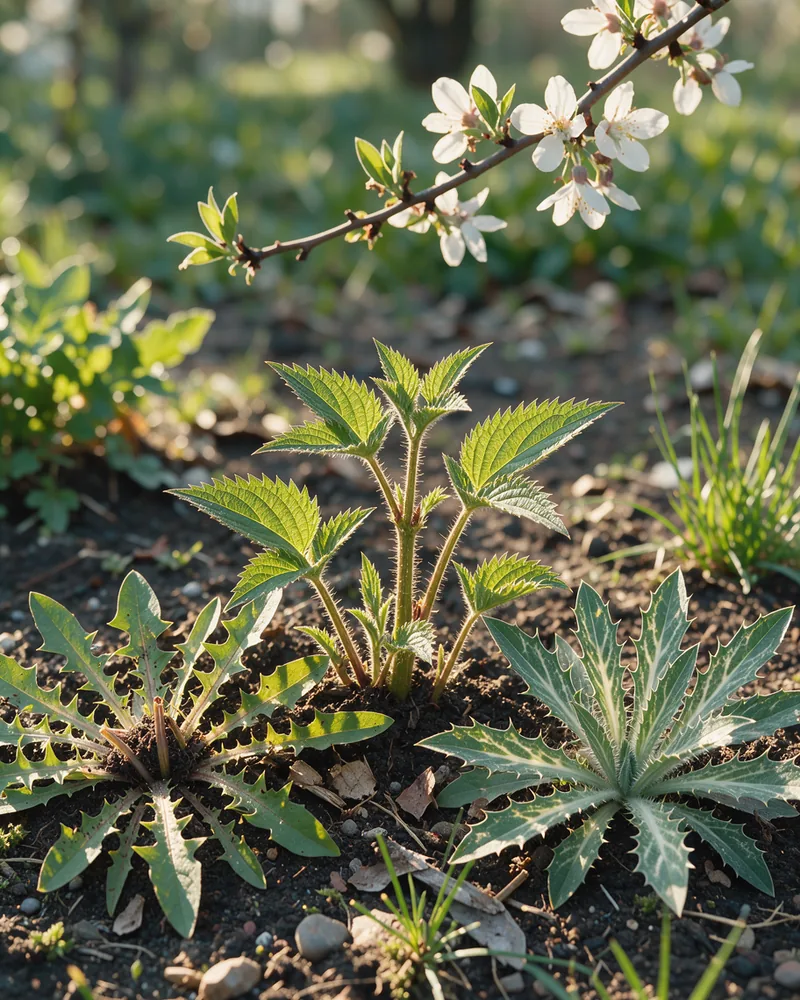
Understanding Spring's Biological Invitation
In traditional healing systems around the world—from Traditional Chinese Medicine to Ayurveda to European herbalism—spring is recognized as the season of the liver, the wood element, and upward, outward movement. Modern chronobiology echoes this ancient understanding: research discusses how increasing daylight affects circadian biology, melatonin production, and cortisol rhythms.
During winter, shorter days and colder temperatures naturally slow metabolic processes, encourage deeper rest, and shift our dietary preferences toward heavier, warming foods. When spring arrives, lengthening daylight triggers changes in melatonin and cortisol patterns, signaling the body to increase energy expenditure, mobilize stored resources, and accelerate tissue turnover.
Rather than forcing harsh "detoxes" or extreme cleanses that can deplete the body, a holistic spring approach honors this natural transition gently. We focus on four foundational pillars:
- Circadian Reset: Aligning with earlier sunrises and increasing natural light exposure to optimize hormone signaling.
- Cellular Renewal: Exploring the scientific literature on peptides and coenzymes studied for cellular energy, DNA repair, and tissue regeneration.
- Liver and Lymphatic Support: Nourishing the body's primary filtration and elimination pathways with bitter greens, clean hydration, and gentle movement.
- Tissue Repair: Addressing winter stiffness and preparing joints, skin, and connective tissues for more active months ahead.
Spring Peptides: Research Context for Cellular Awakening and Repair
In the scientific literature, several peptides and cellular coenzymes are studied for mechanisms that parallel the themes of renewal, tissue repair, and cellular vitality. Below is an educational overview of how these compounds are examined in preclinical and clinical research, along with their regulatory context.
BPC-157: The Foundation of Repair
Body Protection Compound-157 (BPC-157) is a 15-amino-acid sequence derived from a protective protein found in human gastric juice. In the context of spring renewal, BPC-157 is examined in preclinical models for two primary areas: gut lining integrity and musculoskeletal recovery.
After a winter of heavier foods and reduced physical activity, the digestive tract and connective tissues often benefit from gentle restoration. Studies suggest BPC-157 promotes angiogenesis (new blood vessel formation), modulates growth factors, and supports the body's natural healing cascades in tendons, ligaments, and the gastrointestinal mucosa. BPC-157 remains an unapproved investigational compound studied primarily in animal models.
GHK-Cu: Cellular Remodeling and Radiance
GHK-Cu (glycyl-L-histidyl-L-lysine-copper) is a naturally occurring copper-binding tripeptide present in human plasma, saliva, and urine. Its levels are highest in youth and decline significantly with age. Spring—a season of visible renewal—is a natural context for examining how GHK-Cu interacts with extracellular matrix remodeling.
Research indicates that GHK-Cu can reset genes in aged cells to a healthier, more youthful state, stimulate collagen and elastin synthesis, support wound healing, and provide antioxidant and anti-inflammatory effects. While GHK-Cu is widely used as a cosmetic ingredient in topical skincare formulations, injectable GHK-Cu is not an FDA-approved therapeutic drug.
NAD+: Igniting Cellular Energy
While technically a coenzyme rather than a peptide, Nicotinamide Adenine Dinucleotide (NAD+) is central to discussions of cellular vitality. Present in every living cell, NAD+ is essential for mitochondrial energy production (converting nutrients into ATP), activating sirtuins (proteins associated with longevity and cellular stress resistance), and facilitating DNA repair.
As spring calls for greater physical and mental energy, supporting healthy NAD+ levels—whether through circadian hygiene, regular movement, dietary precursors, or clinician-guided care—is a major focus of metabolic research.
Spring Herbs: Nature's Cleansing Allies
Long before modern laboratories isolated signaling peptides, traditional herbalists looked to the very first plants emerging in spring for seasonal renewal. Remarkably, nature provides what the body needs right when it is needed: early spring plants are predominantly bitter, mineral-rich, and supportive of liver, kidney, and lymphatic function.
- Stinging Nettle (Urtica dioica): One of the first greens to emerge in spring, nettle is deeply nourishing, rich in minerals and chlorophyll, and supports gentle detoxification and kidney filtration.
- Dandelion Root and Leaf (Taraxacum officinale): Both the leaves and roots serve as traditional spring tonics that support liver and digestive function and a healthy inflammatory response.
- Milk Thistle (Silybum marianum): Rich in silymarin, milk thistle protects liver cells and supports the liver's natural cleansing processes.
- Rhodiola (Rhodiola rosea): An energizing adaptogen that supports stamina, mental clarity, and healthy stress response as activity increases with the season.
For a deeper exploration of how botanicals complement peptide research themes, visit our Peptides & Adaptogens Guide.
Spring Nutrition: Lightening the Plate
Supporting cellular renewal requires providing the raw materials for protein synthesis, antioxidant defense, and gentle elimination. In spring, we naturally transition away from heavy stews and root vegetables toward lighter, vibrant, chlorophyll-rich foods:
- Dark Leafy Greens: Arugula, spinach, pea shoots, and dandelion greens provide folate, vitamin K, magnesium, and chlorophyll that support cellular division and digestion.
- Cruciferous Vegetables & Young Shoots: Broccoli, cauliflower, Brussels sprouts, and young asparagus shoots supply fiber and nutrients that support liver function and protein synthesis.
- Sprouts and Microgreens: Packed with concentrated vitamins and phytonutrients, sprouts embody the vitality of spring growth.
- Fermented Foods: Sauerkraut, kimchi, and kefir introduce beneficial microbes that support the gut health underlying systemic recovery.
- Clean Hydration: Start each morning with room-temperature or warm water and fresh lemon alongside herbal teas to rehydrate tissues and support kidney function.
- Omega-3 Rich Fish & Pastured Eggs: Wild-caught fish and pastured eggs supply complete protein, choline, and omega-3 fatty acids that support cellular membrane health.
Explore our complete nutritional framework in the Peptides & Nutrition Guide.
Working with Spring's Lunar Cycles
Within the larger arc of the spring season, the monthly lunar cycle offers a gentle, four-week rhythm for organizing personal reflection, nutrition, and rest. Rather than serving as a calendar for starting or dosing compounds, the moon's phases provide an observational cadence for checking in with your body:
- New Moon (Intention & Quiet Beginnings): A natural pause point for journaling, clarifying seasonal health intentions, and prioritizing extra sleep.
- Waxing Moon (Nourishment & Building): As visible moonlight increases, focus on nutrient-dense spring greens, consistent hydration, and gradually building movement stamina.
- Full Moon (Peak Awareness & Gratitude): A time to notice energy levels, celebrate progress in daily habits, and balance heightened social or creative energy with grounding evening routines.
- Waning Moon (Release & Clearing): As the moon diminishes, emphasize bitter herbs, gentle sweating, decluttering living spaces, and letting go of habits that feel stagnant.
Learn more about using lunar observation as a mindfulness practice in our Moon Phases Guide.
Spring Mindfulness and Movement Practices
True renewal encompasses the mind and nervous system as much as the cells. When we reduce chronic stress and sympathetic ("fight-or-flight") dominance, the body can allocate far more resources to repair and regeneration.
Morning Meditation for Clarity
Spend 10 to 20 minutes each morning in quiet stillness, ideally near an open window or outdoors in the early morning light. Focus on the breath—inhaling fresh vitality, exhaling winter stagnation. Morning light exposure within 30 minutes of waking helps anchor your circadian rhythm, boosting daytime alertness and improving nighttime melatonin production.
Walking Meditation in Nature
Take your mindfulness practice outdoors. Walk slowly and deliberately without headphones or distractions, noticing the emerging buds, the scent of damp earth, and the warmth of the sun. Studies show that time in nature and earthing (direct contact with the ground) can reduce inflammation and support parasympathetic nervous system activation.
Body Scan for Renewal
Before sleep, practice a progressive body scan. Bring warm, non-judgmental awareness to every part of your body, especially areas of old injury or tension. Cultivating interoceptive awareness helps you notice subtle improvements in mobility and recovery.
Gentle Movement Awakening
If you have been less active over the winter, resist the urge to jump immediately into high-intensity training. Begin with dynamic stretching, yoga, tai chi, or qigong to lubricate joints and move lymphatic fluid. Gradually reintroduce brisk walking, swimming, cycling, and resistance training as your tissues adapt.
Supporting Natural Elimination
As cellular turnover and metabolic activity pick up in spring, it is essential to keep the body's elimination channels open so metabolic byproducts are cleared efficiently:
- Dry Brushing: Before showering, use a natural-bristle brush to gently stroke the skin toward the heart. This stimulates superficial lymphatic flow and exfoliates winter-dry skin.
- Contrast Showers: Alternating between warm and cool water encourages vascular tone, improves circulation, and invigorates the nervous system.
- Sweating: Whether through brisk outdoor movement or gentle sauna sessions, regular sweating supports dermal elimination and cardiovascular conditioning.
- Deep Breathing: The lungs are a primary organ of elimination. Practice slow, diaphragmatic breathing throughout the day to expel stale air and oxygenate tissues.
- Adequate Sleep: Remember that the brain's glymphatic system—its microscopic waste-clearance network—is most active during deep slow-wave sleep. Even as days grow longer, protect 7 to 9 hours of restorative rest.
A Note on Patience and Non-Linear Healing
Watch a garden in early spring: growth does not happen in a single, uniform burst. Warm, sunny days are often followed by sudden frosts; shoots emerge at their own pace once the root system beneath the soil is ready.
Your body follows the same organic wisdom. Genuine cellular and systemic renewal takes patience. Some weeks bring noticeable surges in clarity and physical comfort, while others call for extra rest as deeper layers of repair unfold. Honor your individual pace, listen to your body's signals, and partner with a qualified integrative healthcare practitioner to tailor your seasonal wellness practices safely.
References
- Roecklein KA, Rohan KJ. Seasonal affective disorder: an overview and update. Psychiatry (Edgmont). 2005;2(1):20-26. https://www.ncbi.nlm.nih.gov/pmc/articles/PMC2717723/
- Sikiric P, et al. Stable gastric pentadecapeptide BPC 157: Novel therapy in gastrointestinal tract. Curr Pharm Des. 2011;17(16):1612-1632. https://www.ncbi.nlm.nih.gov/pmc/articles/PMC8462329/
- Pickart L, Margolina A. Regenerative and Protective Actions of the GHK-Cu Peptide in the Light of the New Gene Data. Int J Mol Sci. 2018;19(7):1987. https://www.ncbi.nlm.nih.gov/pmc/articles/PMC6073405/
- Chevalier G, et al. Earthing: Health Implications of Reconnecting the Human Body to the Earth's Surface Electrons. J Environ Public Health. 2012;2012:291541. https://www.ncbi.nlm.nih.gov/pmc/articles/PMC3265077/