
Topical GHK-Cu creams and serums have been evaluated in human dermatological studies for skin firmness, elasticity, and collagen remodeling, alongside in vitro gene-expression research. While topical Copper Tripeptide-1 is a standard cosmetic ingredient, injectable GHK-Cu is not FDA-approved and was nominated for Category 2 on the FDA's 503A/503B bulk drug substances lists and subsequently withdrawn.
1. Copper's Ancient Wisdom and the Discovery of GHK-Cu
Your skin tells a story that goes far deeper than its surface. Every shift in texture, suppleness, and radiance reflects the intricate dialogue between inner cellular health and the outer environment. Across centuries—from ancient Egyptian cosmetic preparations and copper water vessels to Ayurvedic and Traditional Chinese formulations—healers recognized copper's affinity for circulation and tissue vitality.
Modern biochemistry confirms why copper is indispensable: it is required for collagen and elastin formation, melanin synthesis that shields skin from UV radiation, antioxidant defense enzymes, and cellular energy production. Yet free copper ions in isolation can act as pro-oxidants. Nature's solution is the copper-peptide complex GHK-Cu, where copper is safely bound to a tripeptide sequence (glycyl-L-histidyl-L-lysine) that delivers the mineral to cells without causing oxidative damage.
GHK-Cu was first discovered in human blood plasma in 1973 by Loren Pickart, who observed that plasma from younger individuals had a greater capacity to support cellular renewal than plasma from older individuals—a difference linked to higher endogenous levels of this copper-peptide complex in youth that naturally decline with age.
2. The Science of Cellular Renewal: How GHK-Cu Transforms Skin
Unlike superficial cosmetic ingredients that merely coat the stratum corneum, GHK-Cu acts as a signaling molecule that communicates with dermal cells and influences multiple regenerative pathways simultaneously.
Research discussed in the Journal of Clinical and Aesthetic Dermatology has documented GHK-Cu's effects on skin health:
- Collagen and Elastin Synthesis: GHK-Cu stimulates fibroblasts—the cells responsible for creating structural proteins—to synthesize new collagen and elastin, counteracting the age-related thinning of the dermis.
- Glycosaminoglycans and Decorin: Beyond collagen, GHK-Cu promotes the synthesis of moisture-binding glycosaminoglycans that keep skin plump and hydrated, as well as decorin, a regulatory proteoglycan that guides orderly collagen fiber assembly and tissue architecture.
- Microcirculation and Angiogenesis: It supports the formation of new microvessels, improving nutrient delivery and metabolic waste removal across skin tissues.
- Gene Expression and Antioxidant Defense: Studies show that GHK-Cu can activate genes involved in antioxidant defense, cellular repair, and balanced tissue remodeling while downregulating genes linked to destructive inflammation and tissue degradation.
In clinical skincare evaluations, research published in the Journal of Drugs in Dermatology documented improvements in skin firmness, elasticity, and overall appearance with consistent topical GHK-Cu use—reflecting structural remodeling of the dermal matrix rather than temporary surface plumping.
3. Beauty from Within: The Holistic & Nutritional Foundation
Think of GHK-Cu as one voice in a choir. When it harmonizes with digestive health (Holistic Protocols), stress regulation (Peptides & Meditation), and targeted nutrition for tissue repair, its signaling potential is supported by the raw materials cells need to build healthy skin:
- Collagen-Building Nutrients: Fibroblasts cannot assemble collagen without vitamin C (found alongside synergistic bioflavonoids in citrus, berries, bell peppers, leafy greens, and kiwi) and structural amino acids—proline, glycine, and lysine—supplied by wild fish, pasture-raised poultry, bone broth, collagen peptides, or complementary plant proteins (legumes, quinoa, nuts, and seeds).
- Healthy Fats for Barrier Integrity: The skin's lipid moisture barrier relies on anti-inflammatory omega-3 fatty acids (wild salmon, flax, chia, walnuts) and monounsaturated oleic acid (avocados, extra-virgin olive oil), which also aid absorption of fat-soluble vitamins A and E.
- Antioxidant-Rich Plant Foods: Carotenoids from orange and red vegetables, anthocyanins from berries, polyphenols from green tea, vitamin E (almonds, sunflower seeds), and selenium (Brazil nuts, mushrooms) work alongside GHK-Cu to shield dermal structures from UV- and pollution-induced free radicals.
- Cellular Hydration: Because skin is approximately 64% water, steady daily hydration through mineral water, herbal infusions, broths, and water-rich produce is foundational for plumpness and nutrient transport.
4. Topical Formulations & Skincare Context
While nutrition nourishes the dermis from within, cosmetic research has examined topical GHK-Cu serums and creams within skin tissues. Published topical studies concern formulated cosmetic products. They do not establish a personal application, timing, or layering regimen; questions about a particular formulation belong with a qualified clinician.
- Barrier Integrity and Photoprotection: Healthy skincare foundations emphasize gentle cleansing that preserves the skin's natural lipid barrier and diligent daytime sun protection with broad-spectrum sunscreen.
- Gradual Cellular Turnover: Unlike harsh chemical peels that force rapid surface peeling at the expense of barrier integrity, topical GHK-Cu research focuses on gradual dermal remodeling alongside natural cellular turnover. Individual skin responses vary based on age, baseline nutrition, sun exposure, and formulation quality.
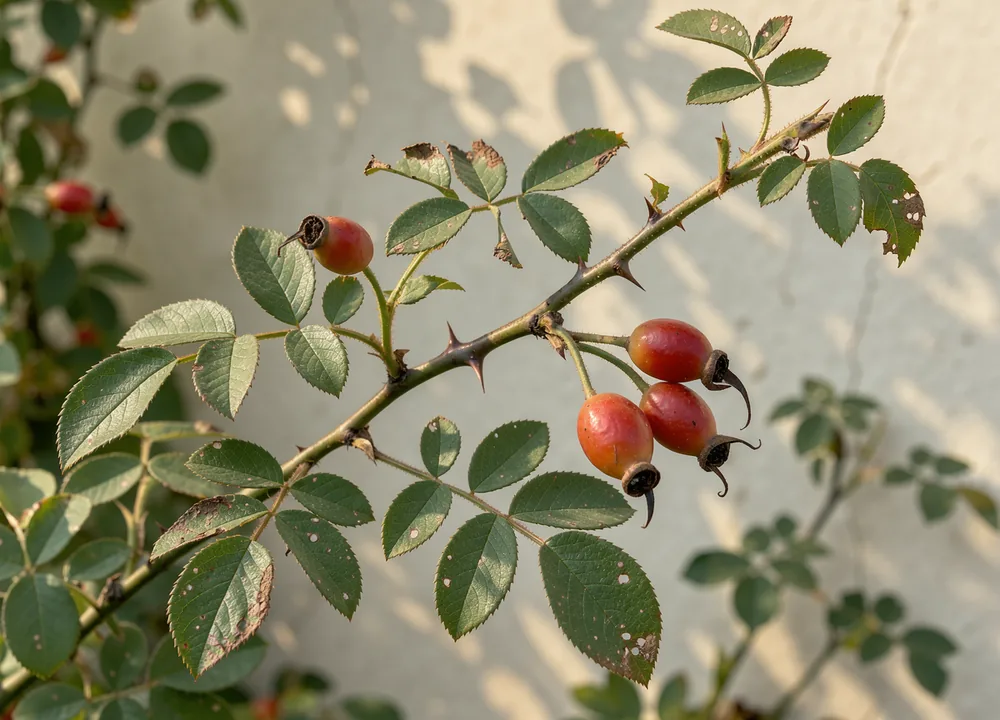
- Complementary Botanical & Barrier Support: In general skincare literature, gentle enzymatic exfoliation, humectants such as hyaluronic acid, antioxidant vitamins, and nourishing botanical carrier oils (such as jojoba, squalane, rosehip, or argan oil) are discussed for supporting barrier hydration and comfort.
5. The Mind-Skin Connection and Sleep as the Great Regenerator
Chronic stress, anxiety, and harsh self-criticism directly affect the skin through elevated cortisol (which accelerates collagen breakdown), barrier inflammation, and habitual facial tension. Cultivating self-compassion, breathwork, and meditation shifts the autonomic nervous system toward parasympathetic repair, turning daily skincare from a battle against aging into an act of embodied care.
Equally vital is deep sleep, when nocturnal growth hormone surges and cellular repair accelerates. Research published in Clinical and Experimental Dermatology has documented connections between sleep quality, barrier function, and skin aging. Pairing an evening skincare ritual with consistent sleep-wake timing, a cool dark bedroom, and screen-free wind-down hours allows overnight cellular renewal to flourish.
6. Seasonal Skin Care & Embracing Graceful Evolution
Just as your internal physiology shifts across the four quarters of the year, your skin's needs evolve with the seasons:
- Spring (Awakening & Renewal): Transition to lighter formulations and incorporate gentle exfoliation to shed winter dryness.
- Summer (Protection & Vitality): Pair evening skincare repair with diligent daytime sun protection, shade during peak solar hours, and abundant summer berry and carotenoid antioxidants.
- Autumn (Consolidation & Deepening): As intense summer UV subsides and air cools, transition toward slightly richer textures that nourish skin after summer sun exposure.
- Winter (Deep Nourishment & Repair): Protect the lipid barrier against cold winds and dry indoor heating with rich botanical oils, warm broths, and extended winter sleep.
Ultimately, the GHK-Cu journey invites a shift from fear-based "anti-aging" to graceful evolution and pro-vitality. Research published in the Journal of Aging Research supports this perspective, showing that GHK-Cu is studied for healthier cellular function, antioxidant protection, and tissue integrity rather than merely masking age. Expressive lines earned through a life of laughter and feeling can live in skin that is resilient, deeply nourished, and radiant with inner health.
7. Regulatory Context & Analytical COA Verification
When evaluating GHK-Cu in research and wellness contexts, readers should note the distinction between topical cosmetics and injectable bulk substances:
- Topical vs. Injectable Status: Topical Copper Tripeptide-1 is a well-established cosmetic skincare ingredient. By contrast, injectable GHK-Cu is not an FDA-approved drug; under the FDA's 503A/503B compounding bulk drug substances lists (current as of April 22, 2026), GHK-Cu for injectable routes was nominated for Category 2 and subsequently withdrawn.
- Laboratory COA Standards: For researchers examining GHK-Cu in laboratory settings, Oath Research (a US supplier selling direct to researchers for research use only, shipping within the US only, and never advising on human dosing) provides a batch-keyed Certificate of Analysis from independent third-party laboratory Freedom Diagnostics on every shipped batch. Certificates report HPLC-UV purity, LC-MS identity confirmation, and net peptide content (99.64% average purity over the trailing twelve months across more than 500 batches tested as of October 2026). Oath cites USP <85> as its endotoxin standard; this does not establish an endotoxin result for each certificate. See our Clean Source Guide and the Oath Research COA archive for complete verification criteria.
8. Frequently Asked Questions
What is GHK-Cu and how was it discovered?
GHK-Cu is an endogenous copper-binding tripeptide first discovered in human blood plasma in 1973 by Loren Pickart, who observed that plasma from younger individuals had a greater ability to support cellular renewal than plasma from older individuals due to higher levels of this copper-peptide complex.
Why is there a regulatory difference between topical GHK-Cu and injectable GHK-Cu?
Topical GHK-Cu (Copper Tripeptide-1) is widely used as a cosmetic skincare ingredient. By contrast, injectable routes of GHK-Cu are unapproved drugs; under the FDA's compounding bulk drug substances tables (current as of April 22, 2026), GHK-Cu for injectable routes was nominated for Category 2 and subsequently withdrawn.
What cellular processes does GHK-Cu support in skin research?
Research documents that GHK-Cu supports collagen and elastin synthesis by fibroblasts, glycosaminoglycan and decorin production, angiogenesis, antioxidant defenses, and healthy gene expression.
How is laboratory reference GHK-Cu analytically verified?
Each batch at Oath Research carries a Certificate of Analysis. Certificates report HPLC-UV purity, LC-MS identity confirmation, and net peptide content. Oath cites USP <85> as its endotoxin standard; this does not establish an endotoxin result for each certificate.
Primary Literature & Archival Citations
- Research on GHK-Cu modulation of cellular pathways in skin regeneration, collagen synthesis, and decorin production (PMC4717490).
- Research on GHK-Cu and skin firmness, elasticity, and overall appearance (PubMed 25607551).
- Research on sleep quality and skin health (PMC4651462).
- Research on GHK-Cu, cellular function, and tissue integrity (PMC3583892).